
Seasonal cycles and what they mean for maintenance
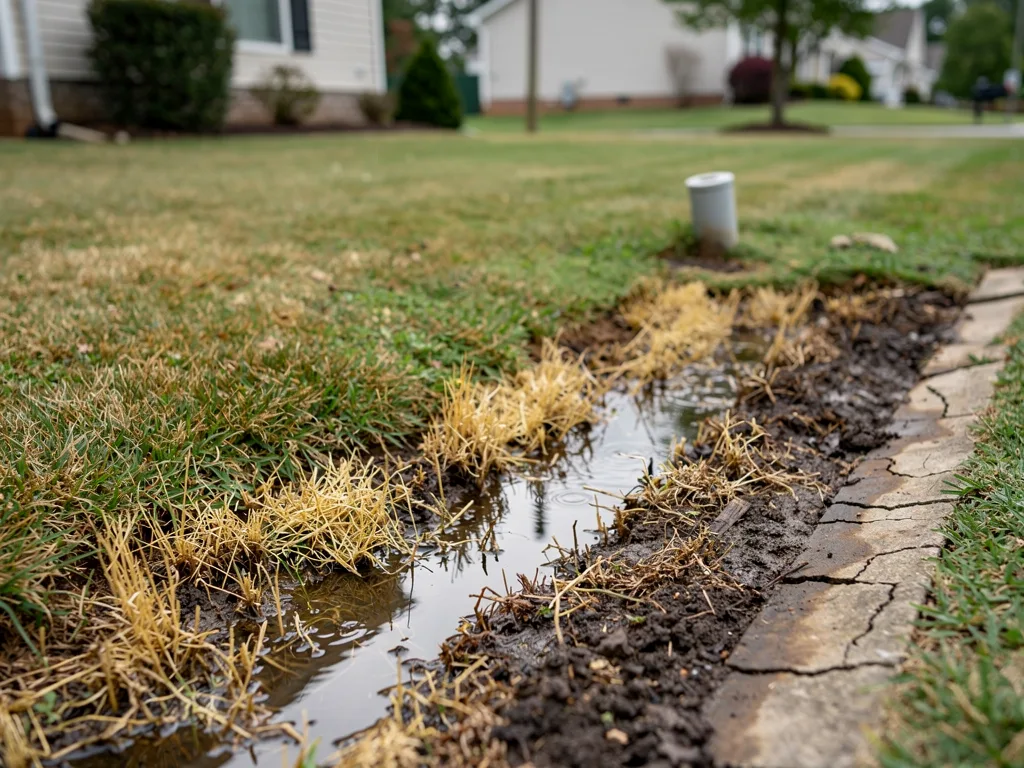
Matthews sees four distinct seasons, and each affects a septic system differently. Spring brings more rainwater and groundwater that can saturate a drain field. Summer heat can speed up evaporation but also increase water use from outdoor activities. Fall brings leaf buildup near the tank and field, while winter can slow the system if outdoor activity is limited and cold weather slows biological action.
Concrete steps you can take by season
Spring: Inspect the area around the tank and field for pooling water after rains. Schedule a check if you notice slow drains or unusual odors. Summer: Use water wisely. High outdoor water use can stress the tank. Use mulch around the field to deter weeds and protect access lines. Fall: Keep leaves and debris away from the access lid and the field area. Do not compost kitchen scraps near the tank. Winter: If you have a septic tank cover, ensure it is accessible and free of snow buildup for safe pumping access. Avoid heavy vehicles over the field when possible, especially after freeze-thaw cycles.
Proactive maintenance that stays practical
Routine pumping is a central preventive step. The frequency depends on household size and water use, but a reasonable target is every 3 to 5 years for many Matthews homes. Our team can assess the tank size, the number of occupants, and your daily habits to tailor a schedule. We also review what goes down the drain. Avoid flushing wipes, cooking oils, and chemicals that can upset the tank’s balance. Simple habits matter as much as a yearly pump.
For the Matthews area, a clean, well-maintained septic system means fewer surprises and a smoother home life. If you’re due for a check or want help building a simple maintenance plan, Matthews Septic Services is ready to help with a practical, no-nonsense plan that fits how you live here in Matthews.